On the International Day of Forests (21 March 2026), we’re shining a light on how the CCRI’s research helps policymakers, land managers and communities carve out a more resilient future for the UK’s trees.
Woodlands are often seen as ecological spaces – rich habitats, carbon stores and natural flood defences.
In the UK, they are also deeply precious. Our woodlands are small and fragmented. With some of the lowest tree cover in Europe, every tree matters.
Yet these landscapes face mounting pressures: climate change, invasive pests, disease and development all threaten their health and future.
Translating forestry policies into effective action on the ground has never been more important.
But ‘effective action’ is about much more than ecology. Forests and woodlands are also deeply human spaces. The ways we value, manage, use and govern trees are shaped by people’s decisions, priorities, motivations and lived experiences.
How do landowners decide what, or whether, to plant? What support do they need to care for trees? And how can we ensure woodlands genuinely benefit both people and nature?
CCRI’s social science research helps answer these questions. It is revealing what motivates behaviour, the pathways to good practice, and what kinds of policies lead to healthier, more resilient trees, woodlands and forests that support not only the environment, but communities and the economy too.
In short: if we want thriving woodlands for the future, we need to understand the people who shape them today.
Below, we spotlight four CCRI projects that reveal the human dimensions of woodland and tree management – and investigate the policies, partnerships and practices that support them.
Four CCRI forestry and trees research projects
Future of UK Treescapes
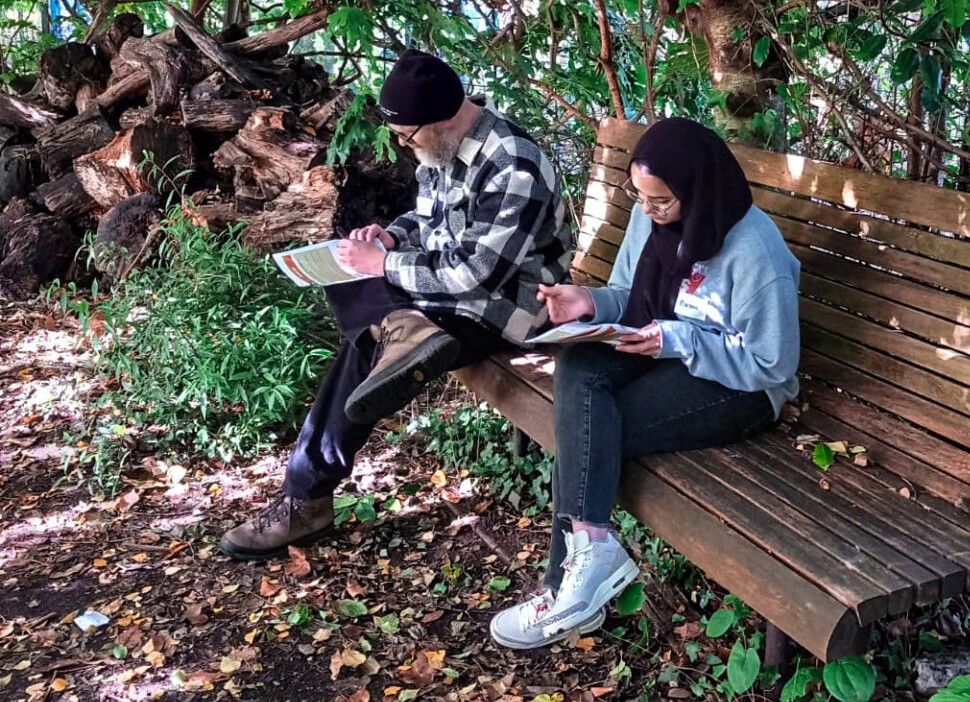
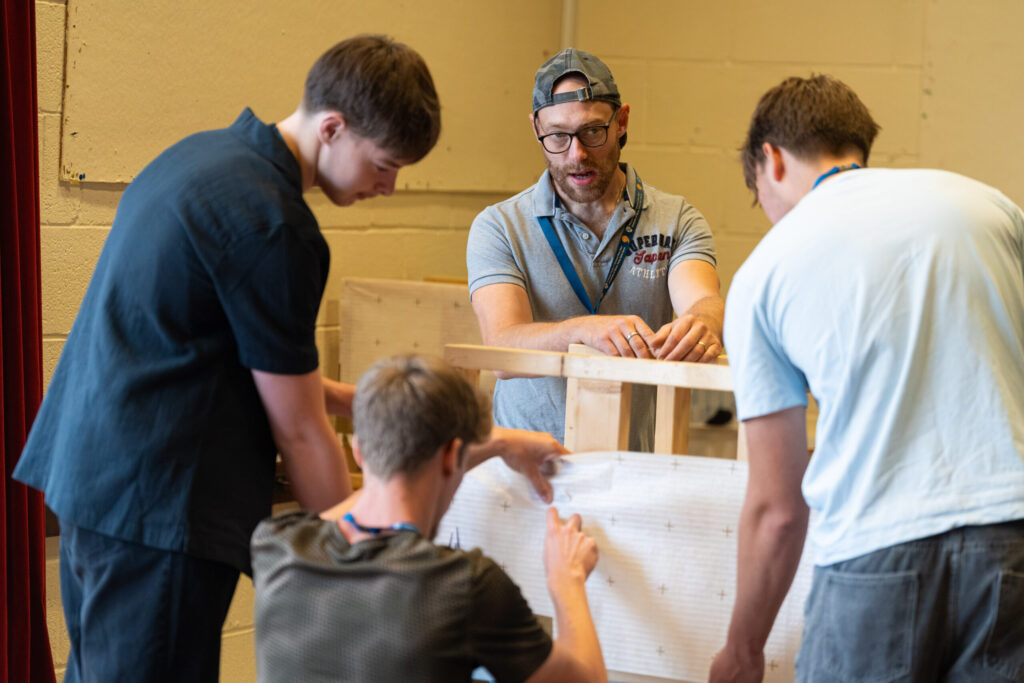
Led by CCRI, the Future of UK Treescapes programme united scientists, social scientists, and arts and humanities researchers across 18 projects to explore the environmental, social, economic and cultural value of treescapes. Its goal: to guide decisions on expanding and protecting treescapes to benefit climate, nature and people.
By linking environmental, social and economic data with cultural and behavioural insights, the programme transformed understanding of how treescapes function — and how best to manage them.
Scientific researchers applied advanced tools such as remote sensing and genetic analysis to examine resilience and biodiversity. Meanwhile, arts, humanities and social science teams developed new ways to understand community relationships with treescapes, visualise change and engage people in future scenarios.
In 2025, the programme culminated in Britain’s Forest Future: Research–Practice Exchange, a major event in Durham bringing together woodland managers, researchers and policymakers for knowledge exchange.
CCRI Team: Julie Urquhart, Alice Goodenough, Deborah Talbot, Gill Tavner
Find out more: www.uktreescapes.org
Read the research:
Urquhart, J., Goodenough, A., Healey, J.R. & Ambrose-Oji, B. (2025) A theory of change for transformation of the productive forest system in the United Kingdom, Forestry: An International Journal of Forest Research, https://doi.org/10.1093/forestry/cpaf081
Farmer action for tree resilience
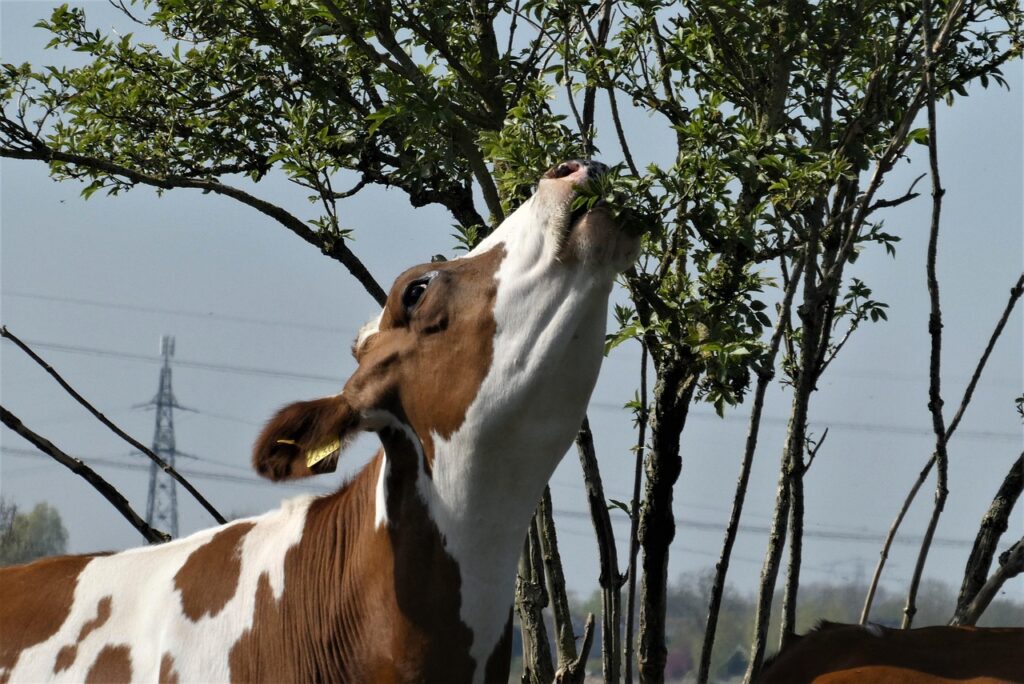
This project is developing better, more practical support for farmers managing the health and resilience of trees on their land.
Recognising that existing advice for farmers often overlooks the connection between tree resilience and wider farm business success, the project works directly with farmers and knowledge networks to understand motivations, barriers and needs. Together, they are designing tools and interventions that build awareness, improve communication and strengthen skills.
By helping farmers take proactive steps to protect trees, from managing pests and diseases to adapting to environmental change, the project aims to benefit both farming businesses and the wider landscape.
CCRI is designing and co‑delivering Theory of Change workshops with farmers, as well as contributing to interim and final evaluations.
CCRI Team: Julie Urquhart, Alice Goodenough and Chris Short.
Find out more: https://www.forestprotection.uk/project/cfp2514/
Evaluation of the Nature for Climate Tree Planting Programme
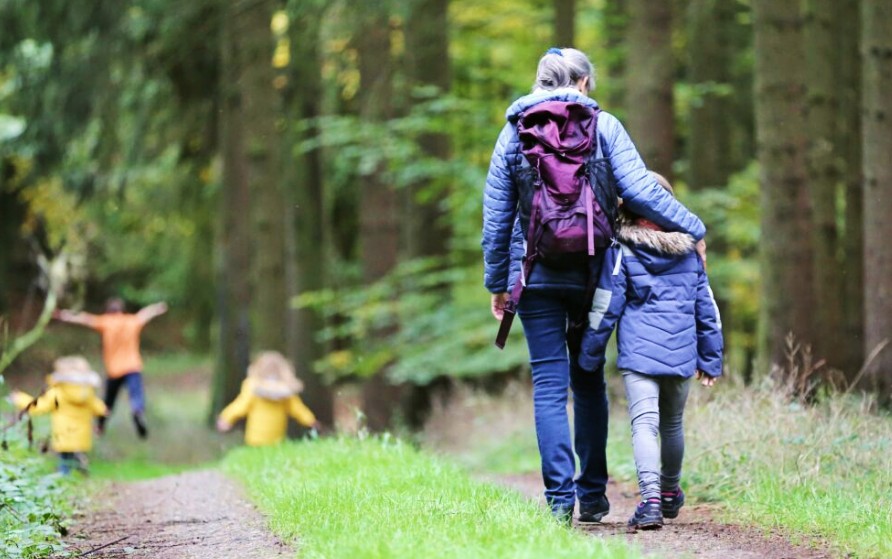
This Stage 3 evaluation, conducted for Defra, examines whether the Nature for Climate Tree Planting Programme (TPP) has successfully expanded tree planting while delivering environmental, social and economic benefits. These include carbon sequestration, biodiversity gains, flood resilience, improved public spaces and growth in forestry jobs.
The evaluation assesses overall outcomes, progress against targets, long-term impact pathways and stakeholder experiences. It also includes ‘deep-dive’ investigations into specific elements of the programme and will offer lessons for future tree-planting and land management schemes.
CCRI Team: Julie Urquhart, Alice Goodenough, Paul Courtney, Dilshaad Bundhoo, Nick Lewis, Cicely Marshall, Adam Fisher, Fahimeh Malekinezhad.
Tree Health Pilot Co-Design and Evaluation
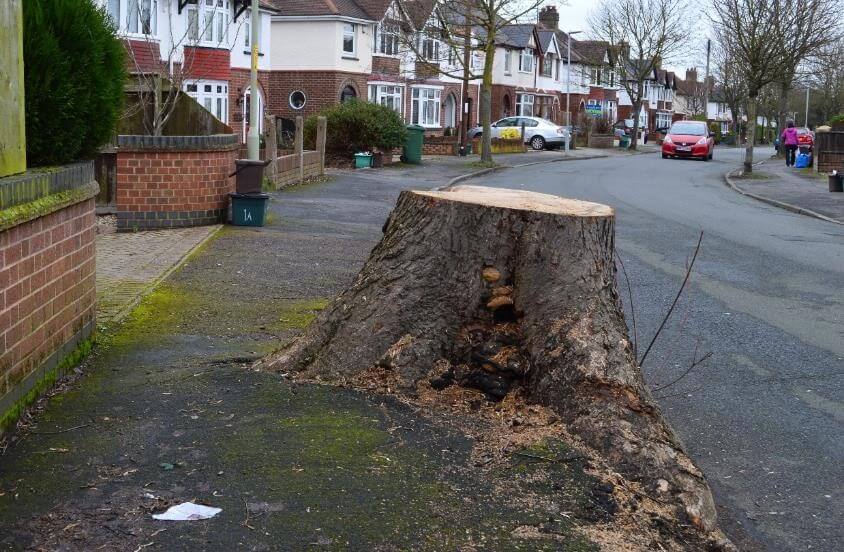
CCRI co-designed Defra’s tree health pilot (THP) scheme which tested different ways of slowing the spread of pests and diseases affecting trees in England. We worked with land managers to find out what would support them in dealing with tree pests and diseases before evaluating the pilot scheme to identify improvements ahead of its national rollout.
CCRI also supported the evaluation of the THP. This highlighted the successes of the pilot scheme, which enabled many land managers to take positive action to protect trees. Findings show that land managers valued both the financial support and the advice provided by woodland officers, which helped them carry out a range of measures—from felling and treatment to restocking.
It also recognised some challenges and highlighted areas for Defra to consider for the national rollout. For example, uptake was often driven by statutory notices, and barriers such as low awareness and complex application processes, limited wider engagement.
CCRI Team: Julie Urquhart, Alice Goodenough
Find out more: https://www.forestresearch.gov.uk/research/understanding-land-managers-behaviours-for-tree-health-policy-options/#funding-&-partners
Read the research:
Ambrose-Oji, B., Urquhart, J., Hemery, G., Petrokofsky, G., O’Brien, L., Jones, G.D. & Karlsdottir, B. (2024) The opportunities and challenges to co-designing policy options for tree health with policy makers, researchers and land managers, Land Use Policy, 136, 106974. https://doi.org/10.1016/j.landusepol.2023.106974
Urquhart, J., Ambrose-Oji, B., Chiswell, H., Courtney, P., Lewis, N., Powell, J., Reed, M. & Williams, C. (2023) A co-design framework for natural resource policy making: Insights from tree health and fisheries in the United Kingdom, Land Use Policy, 134, 106901. https://doi.org/10.1016/j.landusepol.2023.106901
O’Brien, L., Karlsdottir, B., Ambrose-Oji, B., Urquhart, J., Edwards, D., Amboage, R. & Jones, G. (2021) How can local and regional knowledge networks contribute to landscape level action for tree health? Forests, 12, 1394
Ambrose-Oji, B., Goodenough, A., Urquhart, J., Hall, C. & Karlsdóttir, B. (2022) ‘We’re farmers not foresters’: Farmers’ decision-making and behaviours towards managing trees for pests and diseases, Forests, 13, 7, 1030. https://doi.org/10.3390/f13071030

Stay connected. Sign up to the CCRI newsletter.