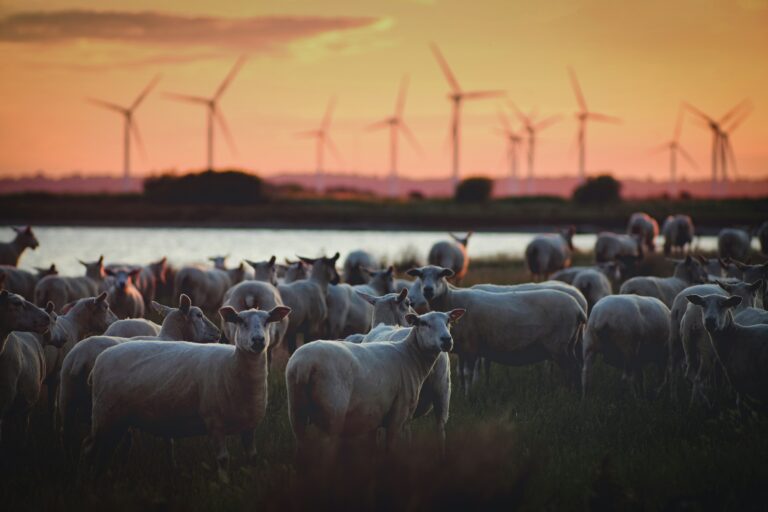
Why it’s time to treat the countryside as critical infrastructure
Charlotte Chivers makes the case for recognising the countryside as national infrastructure and asks: why is investment in it still seen as discretionary?
View our blog posts.
Charlotte Chivers makes the case for recognising the countryside as national infrastructure and asks: why is investment in it still seen as discretionary?

Matt Reed argues for a more hopeful vision of climate action: one rooted in practical solutions, community participation and the belief that a better future already surrounds us.
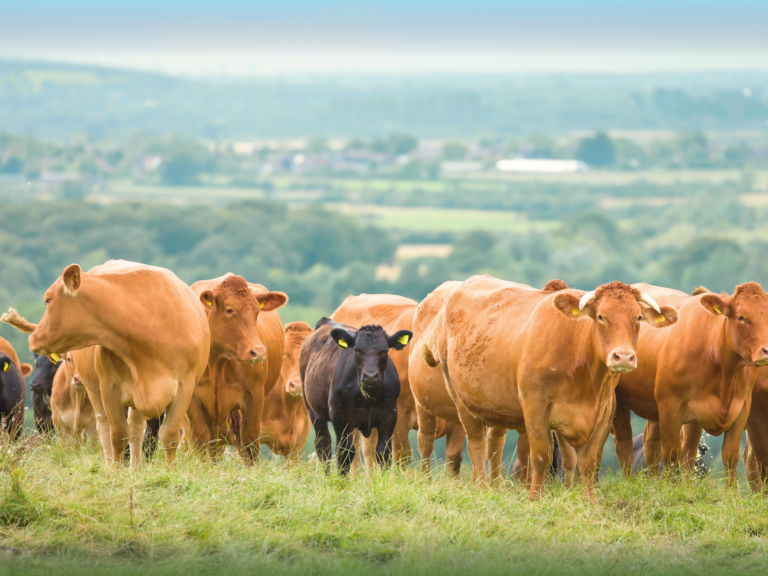
As CCRI celebrate its 40th birthday, we talk to four long-standing members of the team about their time here.
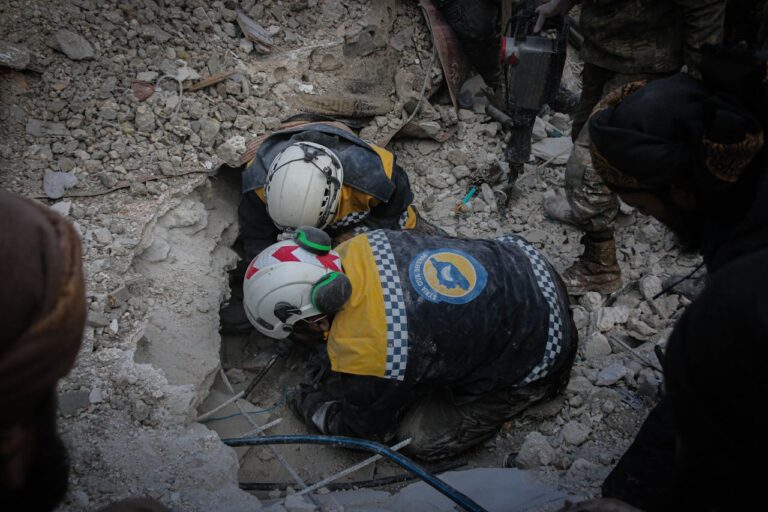
What helps people working in conflict zones stay calm, ethical and effective? In this post, Dilshaad Bundhoo and Kenny Lynch explore the, largely undocumented, skills that practitioners rely on to stay grounded.

How should academics study — and shape — the smart cities of tomorrow? Daniel Keech explores the emerging field of “Smart City Science”: its promise for addressing urban challenges and its relevance to neighbouring rural areas.
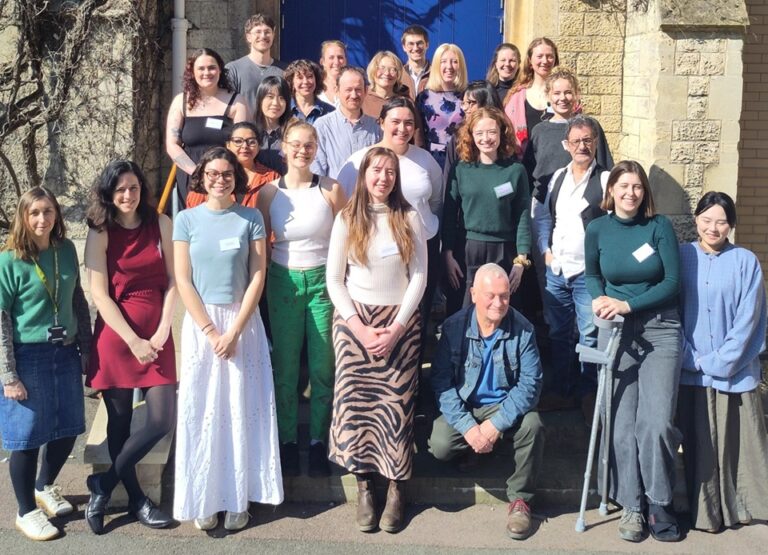
Josh Davis explains how the CCRI Winter School has not only provided a supportive, constructive space to discuss his PhD, but also a setting to explore how knowledge is created, challenged, and shared.

On the International Day of Forests (21 March 2026), we’re shining a light on how the CCRI’s research helps policymakers, land managers and communities carve out a more resilient future for the UK’s trees.
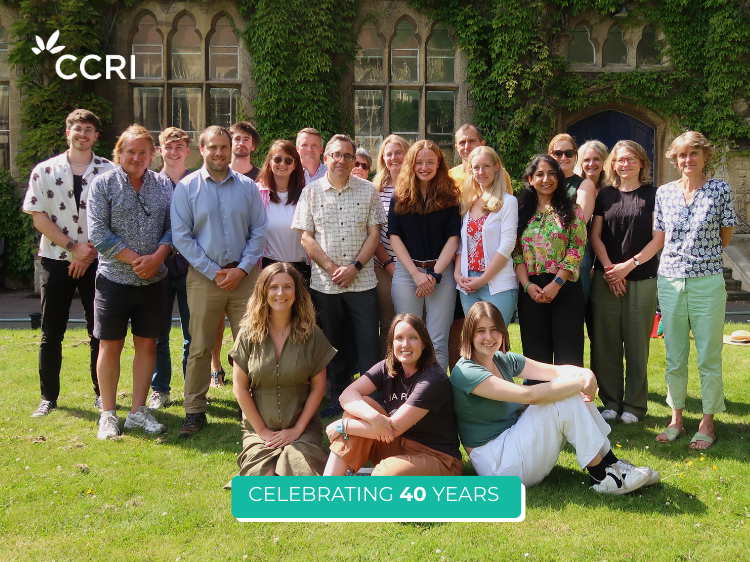
2026 marks the CCRI’s 40th anniversary. Director Matt Reed reflects on a research centre that has not only endured volatility in this time but flourished.
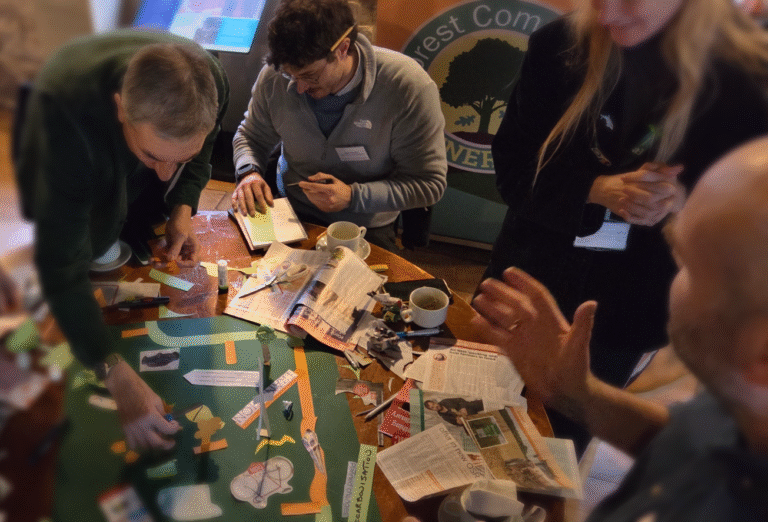
In November 2025 a team from CCRI working with partners from the British Academy and local government ran a workshop focussed upon community engagement for net zero governance.