Countryside and Community Research Institute (CCRI) researchers are embarking on a major new project to prepare the UK farming sector for a set of crop diseases that are currently causing chaos across mainland Europe.
The four-year, £3.72 million E-Prep II project, focuses on the imminent threats posed by two species of bacteria that cause diseases in potatoes, sugar beet, carrots and grapes.
If left unmanaged, these diseases could drive up food prices for consumers, further adding to concerns over the rising cost of living.
The bacteria are spread by tiny sap-feeding insects known as planthoppers (pictured below). One of the diseases they cause, syndrome basses richesses (SBR), is particularly damaging.
Currently sweeping rapidly across Europe, SBR has reached epidemic levels in potato and sugar beet crops in Germany, Switzerland and France and has recently spread to the Netherlands.
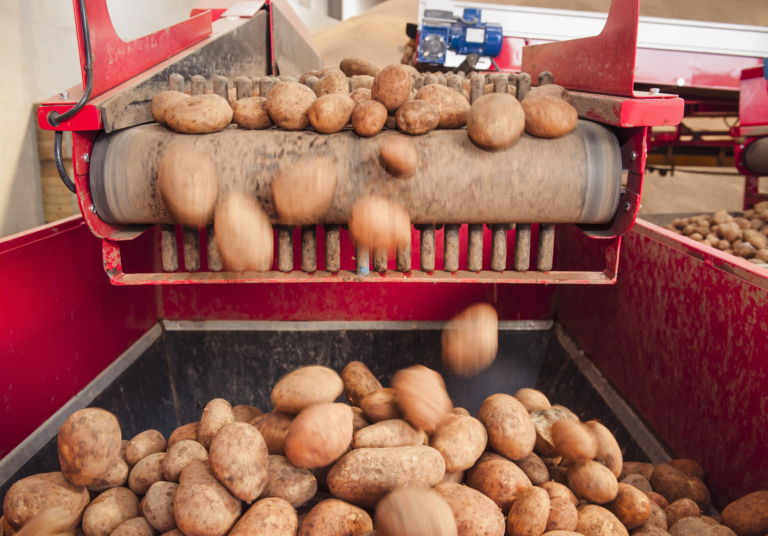
First identified in sugar beet crops, SBR can reduce sugar yields by up to 25%. It causes potato crops to become rubbery and unsuitable for sale. SBR’s impacts have forced processing plants to close, triggering knock-on disruption and economic losses throughout food supply chains.
Researchers warn that it is likely only a matter of time before the disease reaches the UK, owing to favourable conditions for brought by climate change.
The E-Prep II project aims to help UK growers, food businesses and policymakers make the most of the time available before this happens.
By developing practical tools, preparedness plans and disease management strategies, the research team hopes to limit the damage from future outbreaks of SBR and the other crop diseases caused by the same bacteria.
CCRI’s Damian Maye and Julie Urquhart are leading the project’s social science research. Building on scientific investigations by plant, insect and disease experts across the project, their insights will shape the UK’s first co-designed preparedness strategy and action plans for farmers to deal with SBR and related bacterial diseases.
The team will conduct in-depth interviews with farmers and crop experts to explore how they perceive the risks and management strategies. Participants will be invited to play an innovative “serious game”, a digital board game that shows how different farming decisions can influence crop health outcomes and disease spread.
Damian Maye, Professor of Agri-Food Studies, said:

“This project comes at a crucial time for UK farming and the food industry. Across Europe, we’re already seeing the serious economic and agricultural impacts that these emerging crop diseases can have.
If we don’t act early and put effective preparedness plans in place, future outbreaks could also drive-up food prices for consumers and pose growing risks to food security.”
He added: “While these diseases are not yet in the UK, we have a valuable opportunity to prepare now. By understanding how farmers assess risks and make decisions, we can develop practical strategies that limit the damage future outbreaks could cause.”
Dr Julie Urquhart said:

“This research provides an important opportunity to understand how farmers, businesses and policymakers can work together to prepare for emerging threats.
The lessons we learn will help transform how the UK approaches agricultural biosecurity, strengthening our ability to respond to future disease outbreaks before they become crises. “
She added: “Ultimately, this will not only help protect food production but also support rural economies and improve the long-term resilience of UK agriculture.”
Planthopper image credit: Ujvári Zsolt
About E-Prep II
E-Prep II is led by Keele University and brings together experts in social science, biology, ecology, economics and mathematics to understand how the spread and impacts of bacterial crop disease are influenced by social, economic and behavioural factors, and to develop practical preparedness and management strategies. The project is one of 18 new research and innovation projects receiving a share of more than £54 million in UK government and UKRI programme to protect the UK against biosecurity threats.
Any questions? Contact Damian Maye and Julie Urquhart: dmaye@glos.ac.uk; jurquhart1@glos.ac.uk

Stay connected. Sign up to the CCRI newsletter.