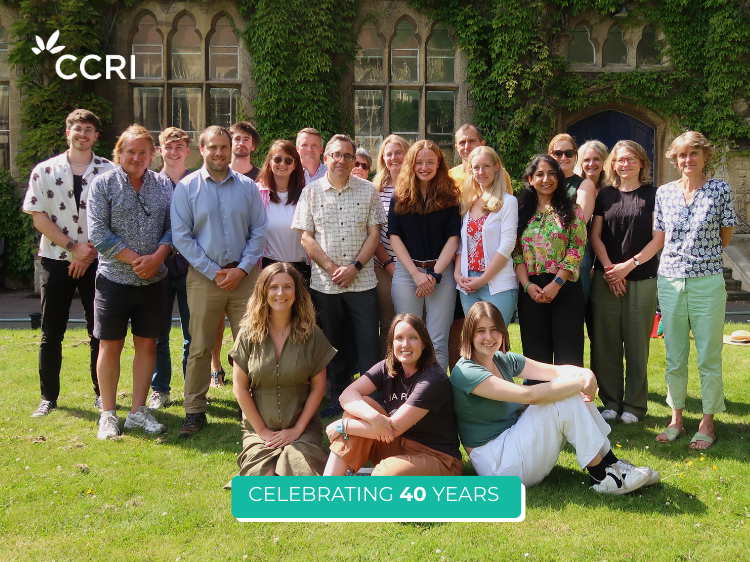
2026 marks the CCRI’s 40th anniversary. Director Matt Reed reflects on a research centre that has not only endured volatility in this time but flourished. Celebrating the dedicated team behind this growth, he explores how the CCRI is rethinking inclusive research in a divided social landscape – to define the path for its own future and that of rural communities.
The Countryside and Community Research Institute (CCRI) is forty years old this year. For any research group, that is quite an achievement. Even more remarkable is that we have grown over the last five years in the volatile context of higher education.
We are now one of the largest rural studies centres in western Europe. We’re proud of the growing contributions we make to evidence bases and perspectives across a widening tranche of academia. Our specialist skills in working with communities – and in bridging people and policy – are shared with more and more policy and professional organisations across the globe through trusted, often long‑standing, research partnerships.
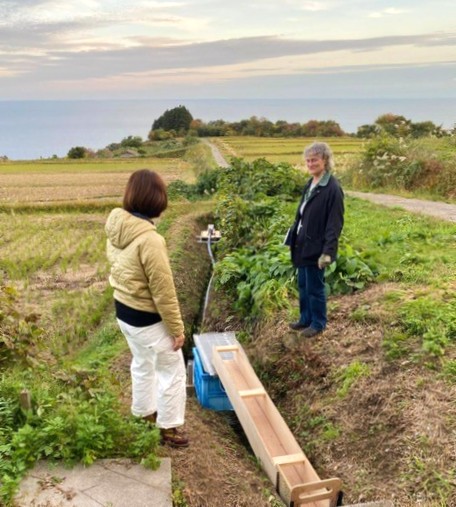
All this has been made possible not only by growing our team, but by also broadening our scope and range to encompass topics as well as places that we only previously imagined. Today, you’ll find our researchers in the field everywhere from the drylands of Spain to the paddy fields of Japan.
Our founding interests in farming naturally remain strong. But we now also have one of the leading social science teams in the study of marine fisheries, a footprint in the study of trees, and even some studies in urban areas as well as an, as yet, uncrystallised interest in health.
The people behind our success
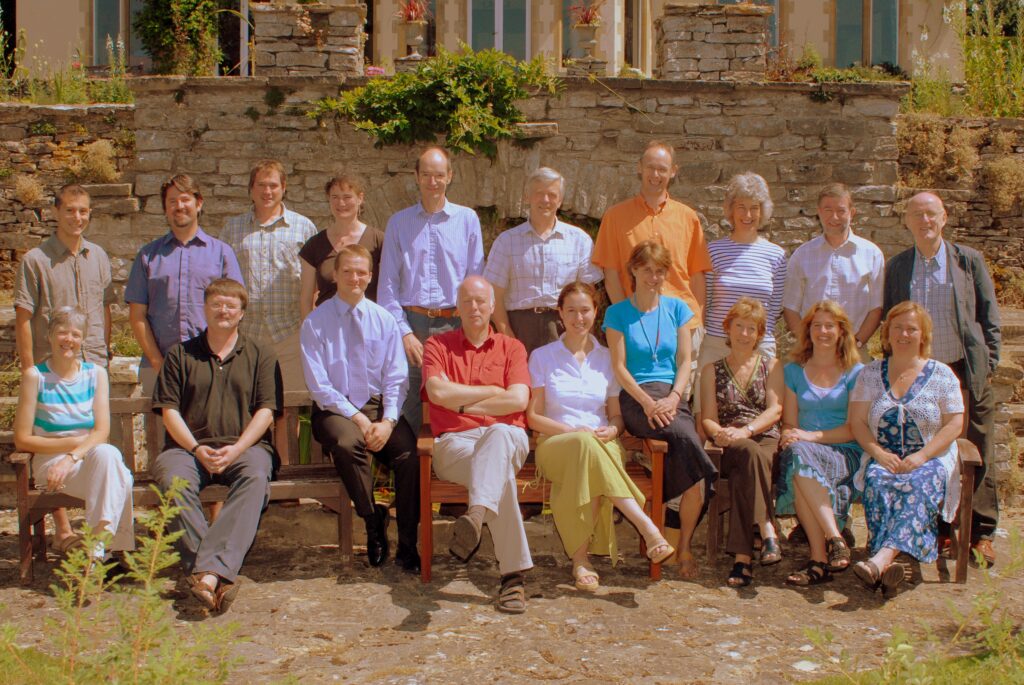
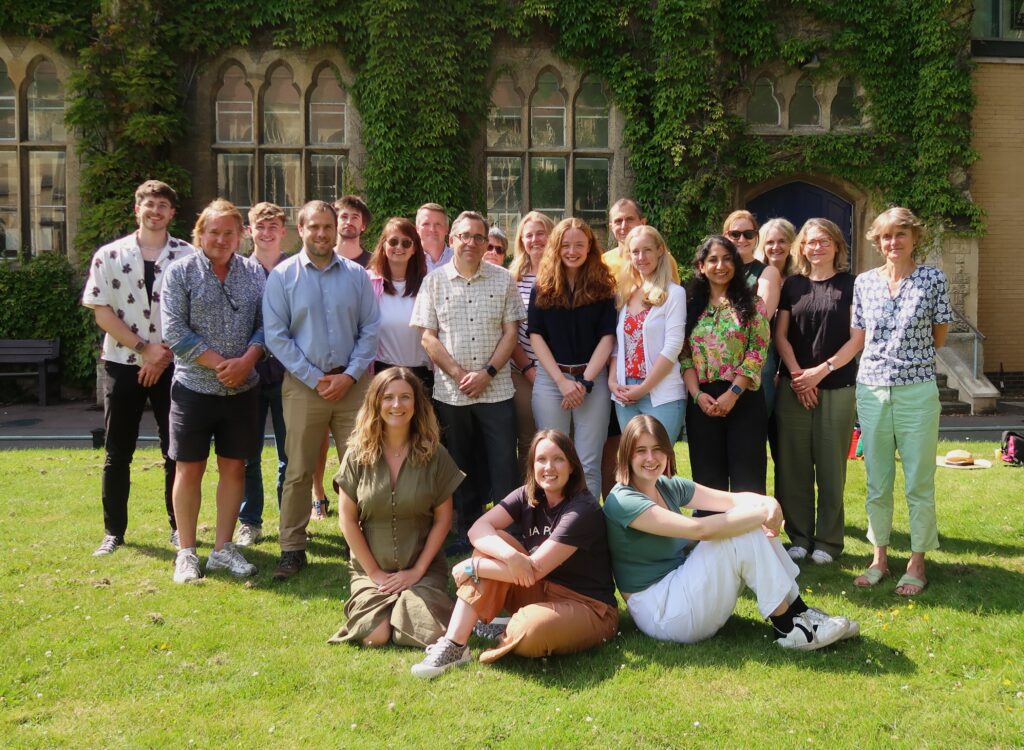
The foundation for this enrichment, of course, is an amazing team. As one of the very small group of people who have ever had the privilege of leading this team, I know that what I often get to tell you about are their achievements.
The late Nigel Curry, founder of the CCRI, gave me a few sage bits of advice, the most important of which is that, unlike most managers, I should not spend my time encouraging greater efforts but managing the team’s enthusiasm and determination.
A core of the CCRI team has been with us for a very long time, sometimes in the complete academic arc from PhD to Professorial status; others have contributed their expertise and dedication through their personal paths and choices. But as part of our recent growth, we have had a lot of people join us from diverse backgrounds, which is enriching and evolving our pathway.
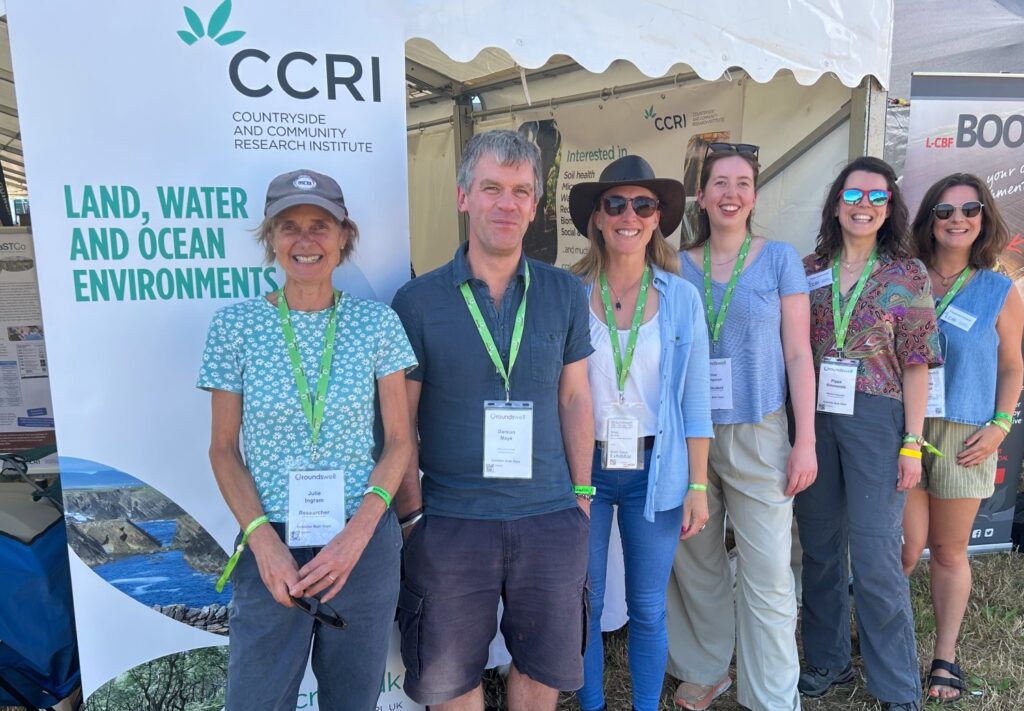
If you read our regular newsletter (and do sign up if you don’t), you’ll know that our group of 26 researchers and collaborators produce a lot of research, a flow of reports, papers, and other publications. The breadth of our endeavours defies a simple summary. If it were simple and obvious, then we wouldn’t be needed. Making any generalisations about what the CCRI does risks leaving out whole areas of research and important partners and collaborators. I am, nonetheless, willing to try. For now, this remains a work in progress.
A more inclusive future for rural research and communities
We are currently spending a lot of time researching and talking about how to conduct research in a way that is inclusive, not in the tokenistic way of counting the attributes or status of research participants but a process that is deeper.
In part, this is a reaction to the social world we find in our fieldwork; it is hard sometimes to talk about topics that have become contentious – from climate change to the food we eat. The neighbours we speak with are concerned to maintain good relations with each other and so shy away from being open with their thoughts. Other community members create division, knowingly or not, and the media in various forms just stretches these tensions.
As researchers, we are not innocent parties; we have had a role to play in this situation, as all too often we have parachuted into a community and taken what we have needed, promising a report to distant policymakers. The echoes of those reports have at times not been heard or become signals lost in the noise. In the meantime, we have moved onto another community, another topic, propelled by the next policy urgency.
For decades we have been reporting and writing about the expertise held on the ground, be that a farmer who knows her fields like no one else, or the communities whose hopes have been canalised into a policy prescription.
We have also noted that in the intersections of scientific knowledge, policy implementation and commerce, there are often perverse, unanticipated and unwelcome outcomes. That, at times, the confident claims of science need to be tempered by the experiences of the people who are living those realities.

It is for others to assess how successful we have been at communicating and influencing change. I take comfort in that if we are still doing this 40 years on, that people place some value in it, and that our scholarship is making things better. But, of course, we could always do better.
We will host a celebration of our 40 years in the autumn of 2026, with a few events in the run-up to that big event. As soon as dates and formats are fixed, we’ll let you know, and the first place it will be shared is in the newsletter. I’m looking forward to sharing memories of the journey that has got us to this point and, equally importantly, ideas about the future of rural communities and the people within them.
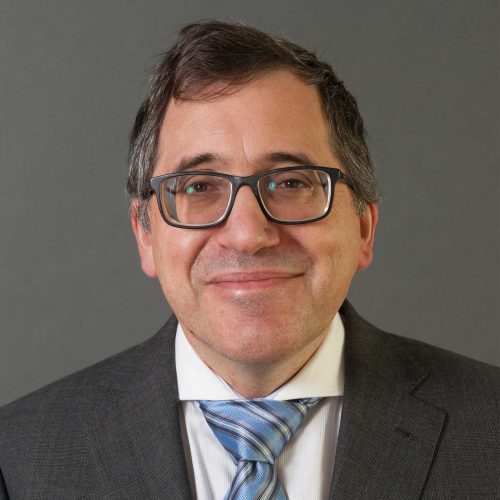
Professor Matt Reed joined the CCRI in 2009. He was appointed its Director in 2021.
In 2024, he became the Head of Research for University of Gloucestershire and in 2025 was awarded his Professorship focusing on emerging climate citizenships.