How should academics study — and shape — the smart cities of tomorrow? Drawing on insights from an international workshop in Hannover, Daniel Keech explores the emerging field of “Smart City Science”: its promise for addressing urban challenges, its relevance to neighbouring rural areas, and the governance, data and collaboration hurdles that must be tackled if digital futures are to work for citizens, councils and businesses alike.
Smart Cities are proposed as a way for local authorities to optimise the management of urban complexity and improve citizens’ quality of life using the ‘knowledge economy’.
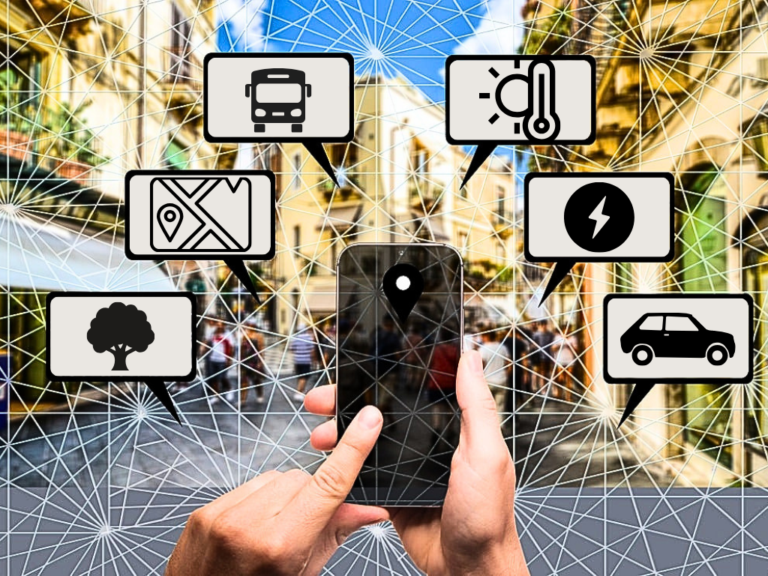
The digitisation of urban life certainly holds promise. It opens access to real-time information on everything from transport, leisure and public services, through to accommodation and environmental conditions – data that could ease a host of urban challenges, including air pollution, emergency responses and energy usage.
Smart Cities are not without detractors, not least because the concept is a bit vague. Critiques also include that their key economic benefit – enabling instantaneous mobility of capital – reduces Smart Cities to tools of neoliberalism by turning citizens into consumers and producers of marketable data.
Smart City initiatives are emerging in many parts of the world and, in Germany, have benefitted from federal support programmes. In February 2026, I was invited to attend the ‘Scoping Workshop Smart City Science: Rethinking Science’, in international event run jointly by the universities of Bamberg, Koblenz and the Open University Hagen, and held in the city of Hannover.
Here at the Countryside and Community Research Institute (CCRI), we have has been working with Bamberg University in Bavaria for over a decade on joint research including urban horticulture, regional brewing, urban planning and heritage management, and citizen-led innovation using digital tools.
Developing a Smart City Science agenda
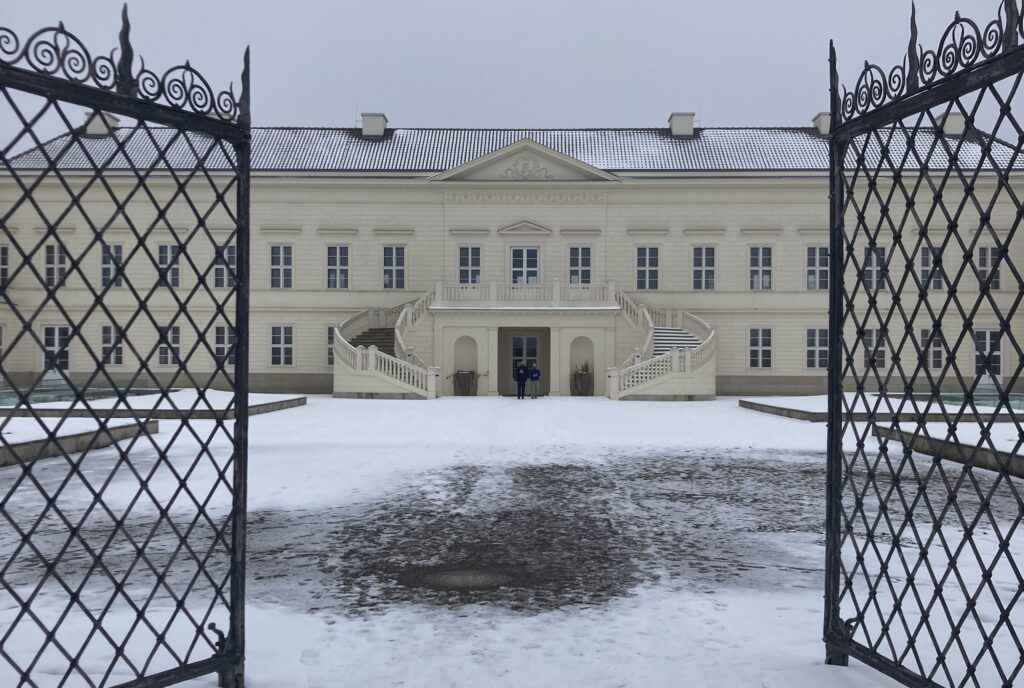
Walking around the snowy gardens of the conference venue, Herrenhausen, I was immediately reminded of the neo-classical architecture around Regent’s Park in London (named after the Prince Regent, later George IV), with its lime render and lion-and-unicorn facades. Herrenhausen is now run by the Volkswagen Foundation, sponsor of the event.
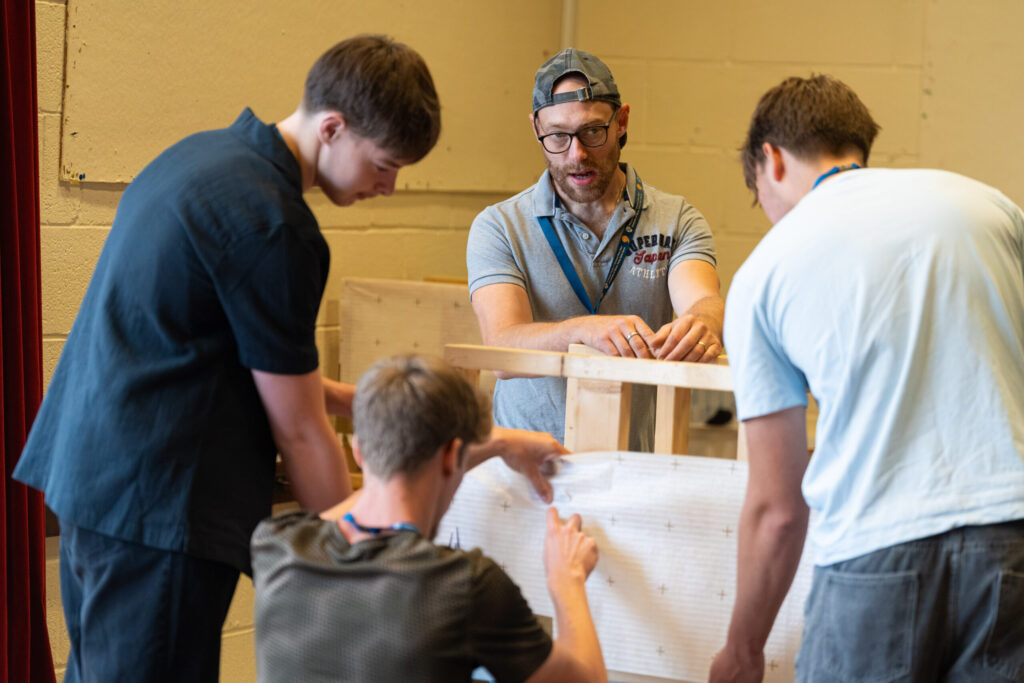
I joined a varied collective of attendees, each able to offer their unique perspective to this topic: data and computer scientists, social and cultural geographers, business and managements scholars, historians and archaeologists, transport experts, administration specialists and local government officials.
Together, we considered how researchers should approach the topic of Smart Cities through the prisms of place, technology and people, and were set two objectives:
- examine if there is now a need for a distinct approach to Smart City Science, drawing from and linking multiple disciplines; and
- sketch an initial research agenda for Smart City Science.
The idea behind Smart City Science is that the scholarly attention to Smart Cities and their functions is now expanding and developing – both theoretically and empirically – and constitutes a cross- and trans-disciplinary field of research.
Accordingly, the organisers foresee a network of scholars working together, initially by linking these three prisms.
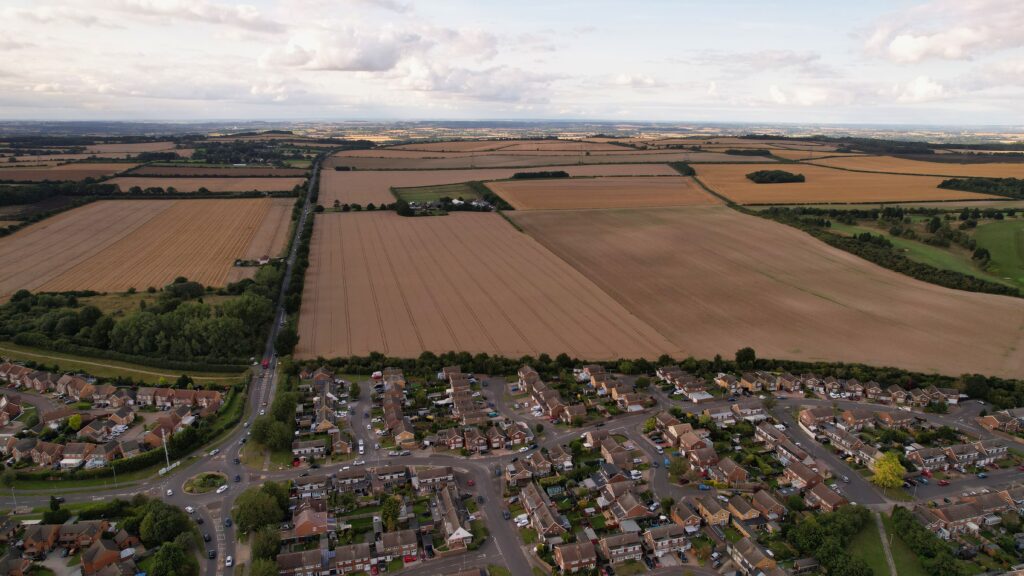
Many of the debates, presentations and workshops linked clearly with the interests of CCRI. Our long experience of applying participatory and experimental methodologies for research on societal transitions resonated. And while some Smart Cities are mega-conurbations, European Smart Cities are more commonly regional centres (Bamberg is the size of Bath, Koblenz the size of Cheltenham), functioning co-dependently with rural neighbours.
Smart City case studies
Case studies were presented of app-based public transport efficiency through on-demand apps, and IT health hubs were complemented with opportunities to visualise city streets as they looked centuries ago through the digitisation of municipal archives, maps and drawings. Remembering that 2027 will be the bicentenary of Gloucester Docks, I lost myself imagining a headset in which could appear a digital twin of the Docks during the city’s medieval wool-trading era, or its function as a grain import centre in the 19th century.
Accounts of training citizens to use heat sensors gave rise to granular insights into urban heat islands, useful for local authorities who are considering where to plant street trees, or to building firms interested in retrofit innovations.
What did we learn?
The conference provided several important lessons around Smart City governance and technology that form ripe topics for Smart City research.
Firstly, while Smart Cities benefit from co-ordination at the level of the city government, local authorities are not inclined towards innovation. This points to the need for cross-sectoral alliances between councils, citizens and enterprises. It is notable that so much of the work of universities, including Gloucestershire, is geared towards supporting practical advancements and bringing different stakeholders together to solve problems.
The benefits of technology for sharpening approaches to climate mitigation (environmental sensing), inclusion (dementia support) and mobility (avoiding traffic hotspots), are also clear. However, new technological innovations may not work well until they have been used for a while and require refinement. CCRI’s work on the EU RUSTIK project has tried to make it easier for rural NGOs and local councils better understand the impact of social services through technological advancements. The Smart City conference reflected our experience that institutional ‘data cultures’ are still not very good at collecting, comparing and interpreting data.
Vitally, questions emerged in the conference about data security governance. In this respect, the excitement which accompanies technology advancements such as AI, which is now being encountered routinely, may exacerbate rather than improve poor data cultures and fragmented data management. These remain organisational, rather than technological challenges and I left the conference excited by the idea of working more closely with colleagues from different and backgrounds on a new research direction that links us all.
For us at CCRI, some of this can be taking a closer look at the links between data flows and digital services between cities and rural areas. I also felt a bit nervous about how, in a time of constrained public budgets and squeezed profit margins, stakeholders will find the time to work together on articulating a shared common goal for digital possibilities. This is, hopefully, where our universities can collaborate to do more as regional anchor institutions.

About the author
Daniel Keech is a Senior Research Fellow with the CCRI. His research interests include urban regeneration, rural-urban interdependence (e.g. nature-based solutions/green infrastructure), alternative food networks and cultural geography.

Stay connected. Sign up to the CCRI newsletter.